
India is adding renewable energy capacity at a significant pace, with solar and wind power playing a growing role in meeting electricity demand. As this capacity expands, the challenge is to ensure that renewable power is available throughout the day and not just when it is generated. This is where battery energy storage becomes important.
Solar generation is largely limited to daylight hours, but electricity demand often remains high in the evening. The difference between generation and consumption creates a need for storage solutions that can hold surplus electricity and supply it when required.
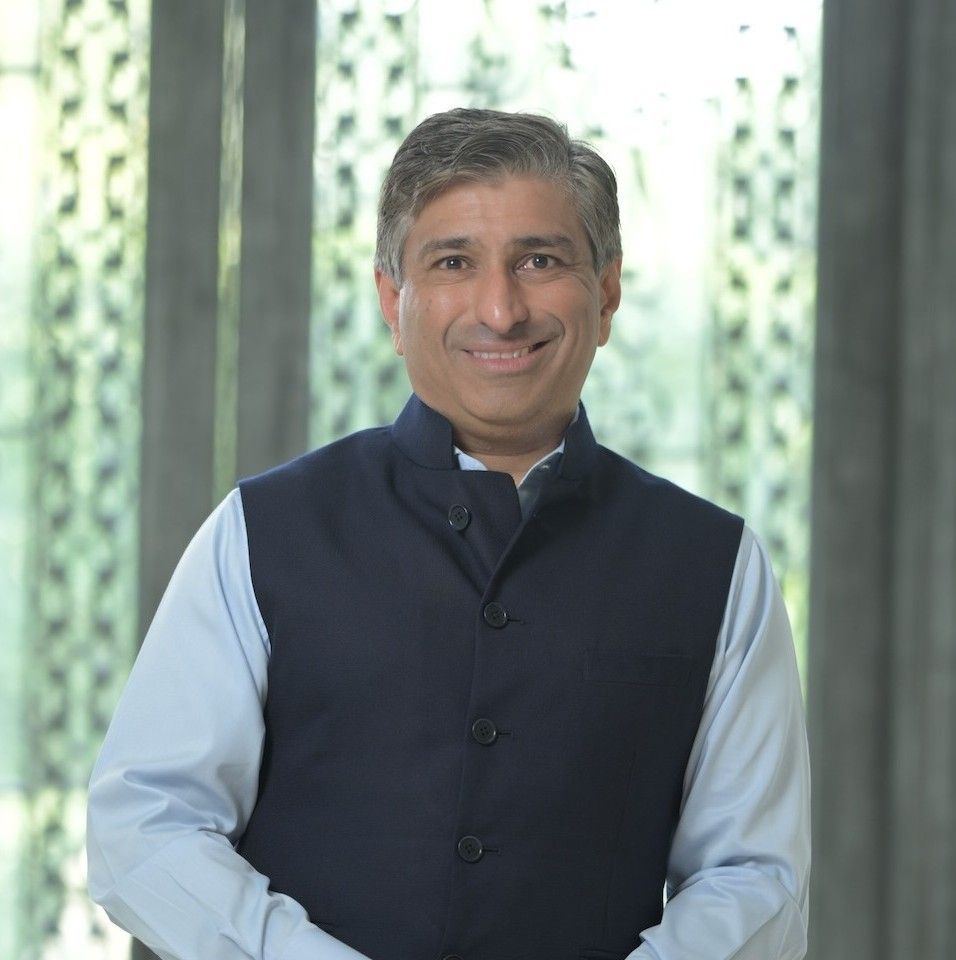
“India has made considerable progress in expanding its renewable energy capacity. We must now ensure that this power is available when consumers and businesses need it,” Mr. Ratul Puri said.
Battery energy storage systems can help make better use of renewable power by storing electricity when solar generation is high and supplying it when generation falls or demand peaks. They can also support grid balancing, improve the use of existing transmission infrastructure and reduce the risk of renewable power being curtailed.
The scale of development in battery storage is also increasing. More than 14 GW of standalone battery storage capacity was awarded through tenders during 2024-25. Although the installed utility-scale battery storage base stood at around 350 MW at the beginning of 2026, annual capacity additions could reach 6-8 GW by 2030.
These developments highlight the growing role of storage in India's changing power mix.
“Battery storage can help bridge the gap between when renewable power is generated and when it is needed. It will be important for managing peak demand and maintaining stability in the grid,” Mr. Ratul Puri added.
Storage projects can take different forms. Co-located battery systems, paired with solar and wind projects, can make renewable power more predictable and useful to the grid. Standalone battery projects can provide additional support by balancing supply and demand, managing congestion and supporting grid operations.
Government support is also helping improve the investment case for battery storage. Viability gap funding covering up to 40% of capital costs and transmission charge waivers for eligible projects until June 2028 are among the measures supporting the segment.
At the same time, adding storage capacity will require attention to project execution. Delays in grid connectivity, financing, equipment procurement and commissioning can affect project timelines.
“Building storage capacity will require a coordinated effort across project development, financing, equipment supply and grid connectivity. Timely execution will be as important as the capacity announced,” Mr. Ratul Puri said.
The expansion of renewable energy will need to be supported by investments in generation, transmission and storage. Solar and wind power have an important role in meeting India's growing electricity requirements, while battery storage can help ensure that this power is available when needed.
As the sector grows, sound planning, effective policy support and timely execution will be essential to making renewable energy a more dependable part of India's electricity mix.
About Ratul Puri
Ratul Puri is the Chairman of Hindustan Power, an integrated power generation company with a strong presence in renewable and transitional energy generation. Over the years, Ratul Puri has been involved in the development of large-scale energy infrastructure projects that support India’s growing power requirements and its transition toward cleaner energy sources.
For more information visit: